📖 Introduction & Why This Book Matters
Brimstone is a dark romantasy that uses small details to build an immersive, high-stakes mystery. The story follows Saeris and Kingfisher as they piece together clues left by Kingfisher’s long-dead mother, Edina. Guided by her journal, they set out on a desperate quest to find a cure for the 'rot,' a mysterious plague that is corrupting the land and the Fae of Yvelia.
This book stands out because it puts its characters in tough moral situations. It makes you wonder if you would choose a harder, riskier path instead of an easy way out to help your friends. At its core, it’s about facing your biggest fears and finding the courage to do what’s right, even if it means risking everything to save your home.
✍️ Plot Summary
Thrust into the unwanted role of Queen of the Blood Court in the dark city of Ammontraieth, Saeris Fane must navigate a treacherous new reality. Recently transitioned into a rare Fae-vampire hybrid, she is awakening to her latent abilities as an Alchemist—a dangerous magic long thought eradicated from Yvelia by King Belikon. By her side is her God-Bound mate, Kingfisher, the fiercely protective Fae Lord of Cahlish, who wields deadly shadow magic and carries deep psychological scars from a century of torture in a vampire’s maze. Together, they attempt to bring the bloodthirsty high bloods to heel, starting with a tense coronation where Saeris claims her right to the throne by drinking Fisher’s blood in front of the court and passing new edicts to decommission the vampire horde.
However, court politics quickly take a backseat to an apocalyptic threat. A mysterious black plague known as the “rot” is sweeping across Yvelia, consuming the land and turning its victims into infected undead known as feeders. After a devastating attack at the Irrin river camp by newly infected feeders capable of siphoning Fae magic, the group discovers a horrifying truth: these monsters have human ears and sterilization marks, proving they are originating from Saeris’s former home, the water-starved city of Zilvaren. The corrupted dead are being sent through quicksilver portals by the tyrannical Queen Madra.
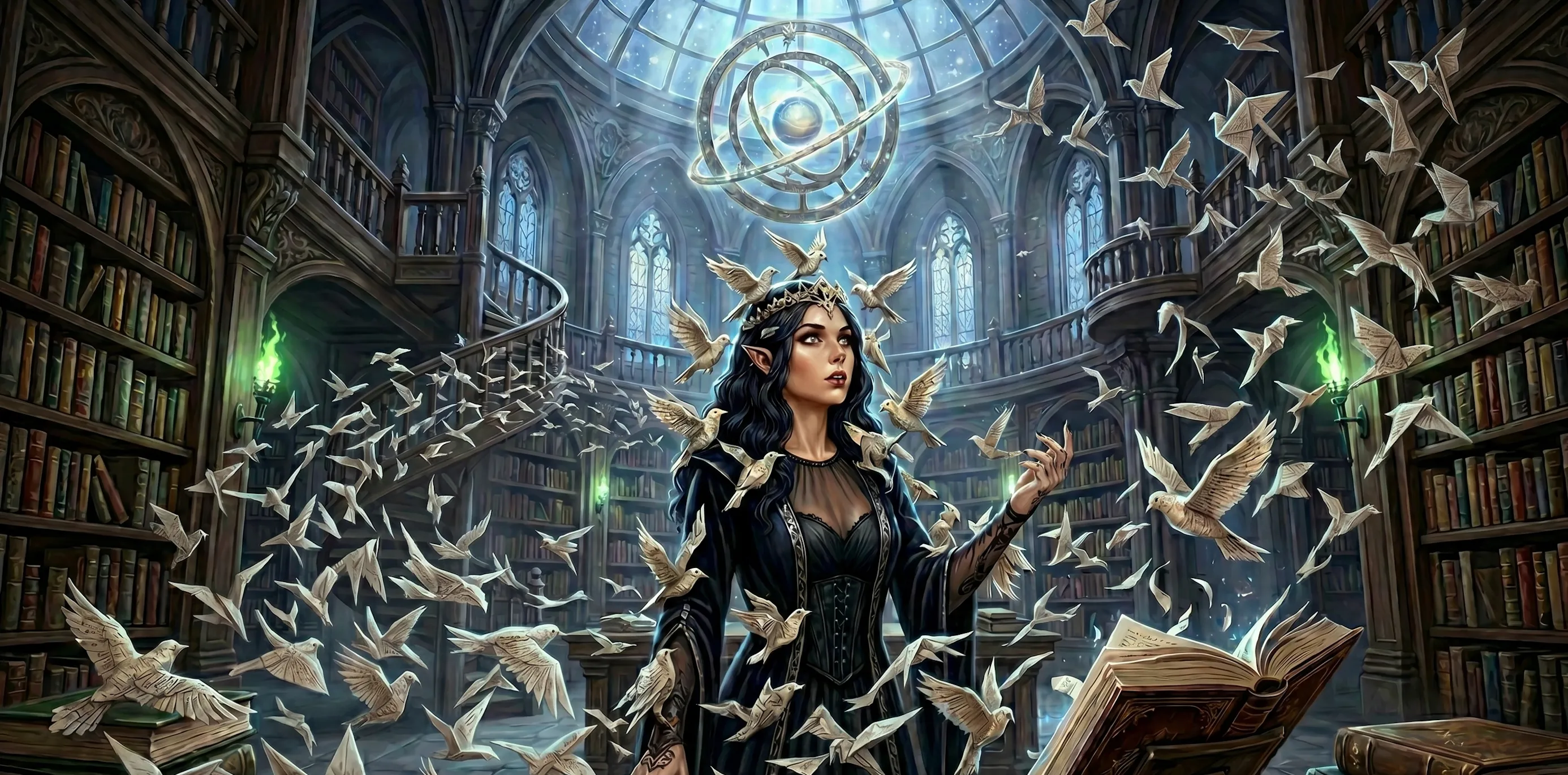
To stop the rot from annihilating everything they love, the couple must unite a fractured realm. They are joined by a complex cast of allies, including Carrion Swift, the rightful but reluctant heir to the Winter Court; Lorreth, a cynical Fae warrior wielding a god sword; Foley Briarstone, a shunned vampire; and Taladaius, Saeris’s enigmatic maker. While Kingfisher and Carrion journey back to Zilvaren to battle the scorpion demon Joshin for silver and rescue Saeris’s brother, Hayden, Saeris remains in Ammontraieth. There, she uncovers a secret journal left by Kingfisher’s deceased mother, Edina, miraculously hidden among magical paper “stargazer” birds, which guides her in mastering her Alchemical runes.
As the rot rapidly spreads to the borders of Cahlish, forcing a mass evacuation to the coastal satyr town of Inishtar, tensions reach a boiling point. The Evenlight Ball at Ammontraieth ends in a horrific bloodbath when the witch Iseabail betrays the group, using Taladaius as a conduit for a dark spell to forcefully cure or kill the entire Blood Court. Amidst the chaos, Kingfisher is lured into a trap by his tyrannical stepfather, King Belikon, and imprisoned within a dryad oubliette in the Wicker Wood. Saeris must wield her newly forged twin god swords, Erromar and Selanir, to defeat Belikon and free her mate using his true name.
Driven by grief after the battle costs the life of her loyal fox, Onyx—whom she miraculously resurrects using an ultimate “silent rune” of undoing gifted by the Hazrax—Saeris and her allies realize their only hope lies in acquiring “brimstone,” a rare element with the power to halt the decay. Unwilling to slaughter the innocent fire sprites of Yvelia to harvest it, Kingfisher and Saeris must seek out its original source. Their harrowing quest forces them to brave the ancient dark gate at Ajun Sky. Filled with visceral action, devastating betrayals, and an undeniable romance, Brimstone ends on a massive cliffhanger, dropping Saeris and Kingfisher into the hellish dragon realm of Diaxis. Promising a great third installment, this book serves as a bridge between the brilliant foundation of Quicksilver and a highly anticipated third book not yet published.
💡 Key Takeaways & Insights
- The Burden of Legacy: Throughout the narrative, characters violently push back against the destinies assigned to them. Saeris wrestles with the expectations placed upon her as a newly turned Queen and a rare Alchemist, while Carrion Swift uses humor to mask his fear of claiming his birthright as the true King of Yvelia.
- Enduring and Healing from Trauma: Kingfisher’s arc is a masterclass in resilience. Despite suffering unimaginable horrors inside Malcolm’s maze, his journey teaches that one can endure profound psychological pain and still choose love and redemption over a path of endless vengeance.
- Subverting the Savior Trope: The narrative brilliantly upends traditional romantic fantasy dynamics. Rather than acting as a damsel in distress waiting for her overpowered “shadow daddy” mate to rescue her, Saeris actively saves Kingfisher, using ancient alchemy and her god swords to free him from a magical dryad oubliette.
🤯 The Most Interesting or Unexpected Part
One of the most striking twists in the novel is the revelation hidden within the Ammontraieth library. The magical paper birds, known as stargazers, that silently flock among the library’s rafters are not mere enchantments; they unfold into the pages of a hidden book left behind by Kingfisher’s deceased mother, Edina. This beautiful, emotionally resonant mechanism delivers crucial alchemical knowledge to Saeris just when she needs it most.
🏛️ How This Book Applies to Real Life
- Systemic Oppression and Resource Hoarding: Queen Madra’s cruel rule over Zilvaren mirrors real-world authoritarian regimes. By weaponizing the city’s architecture to siphon magic and hoarding essential resources like water, she maintains control through engineered scarcity, reflecting how modern systemic oppression often relies on depriving vulnerable populations of basic necessities.
- Trauma and Self-Worth: Characters like Foley Briarstone, who was degraded and had his fangs forcefully removed, represent the real-world struggle of trauma survivors fighting to reclaim their dignity and purpose after experiencing profound abuse and societal shunning.
Who should read Brimstone?
- If you liked shadow magic, Fae courts, and fated mates in A Court of Thorns and Roses by Sarah J. Maas or the brutal survival and intense magical bonds in Fourth Wing by Rebecca Yarros, then you will love the cinematic, action-heavy romance about Brimstone.
- Adult fans of Dark Romantasy.
- Readers who crave morally gray, overpowered Fae warriors paired with fiercely capable heroines.
📚 Final Rating
3.9 / 5 Stars
While the book occasionally suffers from a slow middle and heavy exposition regarding its intricate magic systems, it more than compensates with relentless pacing elsewhere. The breathtaking climax in the dragon realm of Diaxis perfectly sets the stage for the final installment of the trilogy.
🎯 Should you read it? Yes, with the nuance that readers must be comfortable with high-heat, explicit romantasy tropes, graphic violence, and the occasional heavy lore dump.
🔥 Final Thought Far from a typical tale of royal destinies, Brimstone proves that the most profound victories aren't won with god swords, but in the quiet, agonizing moments when we choose the impossible path over an easy surrender.
Discussion Topics
- The Power of True Names The lore establishes that a Fae’s true name holds ultimate power over their oaths and actions. During the climax, Saeris uses Kingfisher’s true name, Khydan Graystar Finvarra, to sever the tyrant King Belikon’s magical control over him.
Discussion Questions: How does the concept of a “true name” reflect themes of identity and vulnerability? Does Kingfisher’s lack of knowledge regarding his own name for most of his life symbolize his broader trauma? How does Saeris’s choice to use the name to free him, rather than bind him, subvert Belikon’s expectations?
- Morality in the Gray Areas Taladaius operates in the deepest moral gray areas of the book. He willingly became a vampire for love, protected Fae prisoners in secret, but also orchestrates a forced “cleansing” of the Blood Court using Iseabail’s magic, against the high bloods’ will.
Discussion Questions: Do Taladaius’s noble intentions justify his deceptive and deadly methods? How does his relationship with Zovena highlight the destructive nature of obsessive love? In what ways does Taladaius serve as a foil to characters like Renfis, who operate strictly on honor and oaths?
- Oppressive Structures and Resistance Queen Madra utilizes the very layout of Zilvaren as a massive sigil to siphon magic from its inhabitants, creating a literal infrastructure of oppression.
Discussion Questions: How does Saeris’s upbringing in the starved Third Ward shape her leadership style as a Queen? What parallels can be drawn between Madra’s control of magic/water and real-world resource monopolies? Why is it significant that Elroy, an ordinary human forge master, serves as one of the most effective quiet resistors in the story?
Discussion
Comments are moderated and will appear after review by the site owner.
No comments yet. Be the first to share your thoughts!