📖 Introduction & Why This Book Matters
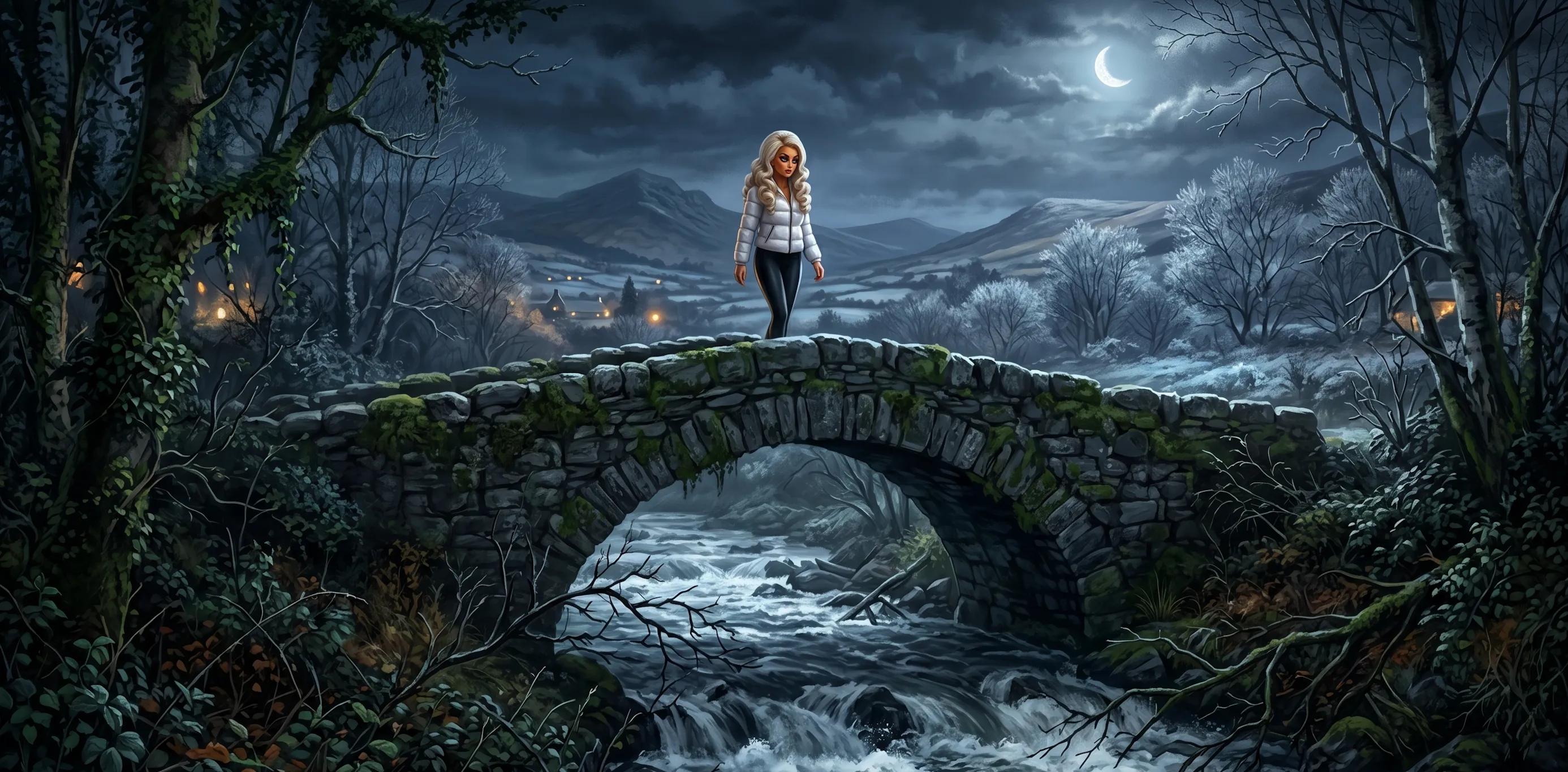
The Keeper is a deeply atmospheric immersion into the eccentricities, gossip, and underlying tensions of an Irish townland. The story is anchored by the perspective of a weary but observant outsider, providing a lens into a fiercely protective society. It matters because it forces readers to grapple with the suffocating, destructive, yet beautiful weight of a tight-knit community, exploring the profound lengths people will go to protect their legacy from modern encroachment.
✍️ Plot Summary
Ex-Chicago detective Cal Hooper has settled into a quiet retirement in the rural Irish townland of Ardnakelty. He is focused on building a peaceful life with his fiercely independent fiancée, Lena Dunne, and acting as a surrogate father to his prickly, resourceful sixteen-year-old woodworking apprentice, Trey Reddy. However, the town's tranquility is shattered when twenty-something Rachel Holohan, a sweet-natured local girl training to be a Montessori teacher, goes missing and is later found dead in the river.
While authorities quickly dismiss the event as a tragic suicide—discovering she drank antifreeze before drowning—the town's relentless rumor mill refuses to let the matter rest. Whispers run rampant, pointing fingers at Rachel's boyfriend, Eugene Moynihan, and his arrogant, wealthy father, Tommy Moynihan. Tommy, the manager of a meat-processing plant who considers himself the master of the town, is secretly buying up local land. His master plan is to groom Eugene for the county council to force compulsory purchase orders on local farms, paving the way for a massive factory expansion and megafarm.
As tensions escalate, Cal finds himself pulled into the fray. The situation turns deadly when one of Cal's closest friends, wily sheep farmer Mart Lavin, orchestrates a rebellion against Tommy but is killed in a staged tractor accident. Realizing the corrupt local power broker will stop at nothing, Cal, Trey, Lena, and the local farmers band together. In a twist on the traditional thriller, they explicitly reject taking their evidence to the corruptible police, opting instead to deliver their own terrifying, localized form of justice to protect their community.
💡 Key Takeaways & Insights
- The Bounds of Loyalty, Honor, and Family: The core conflict pits the deep, centuries-old loyalty locals have to their land against the creeping threat of corporate greed and modern development.
- Justice Outside the Law: The novel subverts the traditional "ex-cop solves the crime" trope. Justice is exacted through a coordinated mob of locals who handle their problems internally, honoring the logic of the local community over state law.
- The Suffocating Weight of Community: Small towns offer deep protection but demand absolute loyalty, showing how communities can be both nurturing and deeply destructive.
- The Power of Chosen Family: Beyond the mystery, the emotional core is the profound bond of chosen family, particularly Cal's protective love for Trey and his engagement to Lena, which grounds the narrative in high human stakes.
🤯 The Most Interesting or Unexpected Part
The most devastating twist is the truth behind Rachel Holohan's death. Rachel had discovered Eugene and Tommy's corrupt land-grab plan and, feeling trapped, sought advice from the town's terrifying and manipulative oracle, Mrs. Duggan. Instead of offering comfort, Mrs. Duggan amused herself by telling Rachel that the only way to stop Tommy was to kill herself to create a massive scandal, even instructing her on where to find the antifreeze.
🏛️ How This Book Applies to Real Life
- Community vs. Corporate Greed: The town's struggle against Tommy Moynihan's mega-factory plans mirrors real-world battles where rural communities fight to preserve their land, heritage, and autonomy against wealthy developers.
- The Weaponization of Gossip: Ardnakelty's rumor mill demonstrates how misinformation and social pressure are used as tools of control, dictating people's actions and isolating those who don't conform.
Who should read The Keeper?
- If you liked the slow-burn, atmospheric mystery in The Searcher or the deep character exploration in The Hunter, then you will love the immersive world-building and rural noir tone of The Keeper.
- Readers who appreciate literary mysteries and character-driven rural noir over fast-paced, action-heavy police procedurals.
- Anyone who loves explorations of complex community dynamics, chosen family, and morally ambiguous justice.
📚 Final Rating
3.8 / 5 Stars
While the prose flows with a natural ease and the character dynamics are masterfully executed, the pacing is a deliberate slow-burn that some may find sluggish. Rachel's tragic suicide without successfully framing the antagonist makes it a melancholic and emotionally tough read, but the thematic depth is undeniably strong.
🎯 Should you read it? Yes, with nuance. If you are looking for a fast-paced, action-packed thriller where the bad guy is arrested in a conventional climax, this isn't it. However, if you enjoy beautifully written, atmospheric slow-burns that dive deep into the psychology and complex codes of a small town, this is highly recommended.
🔥 Final Thought Justice isn't always found in a courtroom; sometimes, it's quietly and ruthlessly agreed upon in the dark corner of a local pub.
Discussion Topics
- The Nature of Justice Cal is an ex-cop, but he explicitly rejects taking evidence of Tommy's crimes to the police, opting instead to handle the matter using the town's unspoken codes. Tommy never faces legal justice for his crimes, but rather loses his respect and power over the town.
Discussion Questions: Is justice actually delivered in this book? Does Tommy get enough punishment for his crimes? Why do you think Cal chose to rely on the town's methods rather than his police background? How does the book challenge our traditional understanding of right and wrong?
- The Role of Mrs. Duggan and Isolation Mrs. Duggan acts as the town's dark oracle and directly influences Rachel's suicide by giving her the idea and the means to carry it out. She represents the cynical depths of human nature that emerge when someone is isolated and bored.
Discussion Questions: How culpable is Mrs. Duggan in Rachel's death? What does her character represent about the darker, more suffocating sides of isolated communities? Could Rachel have stopped Tommy without resorting to such extreme measures? How do different characters in the book cope with the claustrophobia of Ardnakelty?
- Legacy vs. Progress The core conflict involves Tommy Moynihan secretly buying up farmland to force compulsory purchase orders and build a mega-factory, threatening the traditional way of life in Ardnakelty.
Discussion Questions: Was Tommy's plan for a factory purely driven by greed, or is there a valid argument for modernization in a dying town? Why are the farmers, like Mart Lavin, so fiercely protective of their land, even to the point of violence? How does this struggle mirror real-world gentrification and corporate development? Do you think the town can survive in the long term without the kind of investment Tommy was proposing?
Discussion
Comments are moderated and will appear after review by the site owner.
No comments yet. Be the first to share your thoughts!