📖 Introduction & Why This Book Matters
Note: This book is an Audible exclusive, so character names may be misspelled.
How far would you go to protect a friend? She Made Me Do It is a psychological thriller that preys on our deepest insecurities regarding trust, perception, and the haunting reality of mental health stigma. It isn’t just a story about a murder; it is a profound exploration of gaslighting and the terrifying ease with which reality can be manipulated. By forcing the reader to constantly question the protagonist’s past alongside the police, the narrative taps into the universal fear of losing one’s voice and autonomy. This book matters because it forces us to ask critical questions about the justice system, the reliability of our own minds, and the dangerous ripple effects of intergenerational trauma.
✍️ Plot Summary
When Erin Santos meets the unforgettable Samantha Valentine during a swanky job interview, they quickly become “soul sisters.” After knowing each other for only sixteen weeks, Samantha begins showing up with nasty bruises, claiming her boyfriend “Ari” is a domestic abuser. During a tense confrontation, Samantha hands Erin a knife, and Erin kills Ari in what she believes is self-defense.
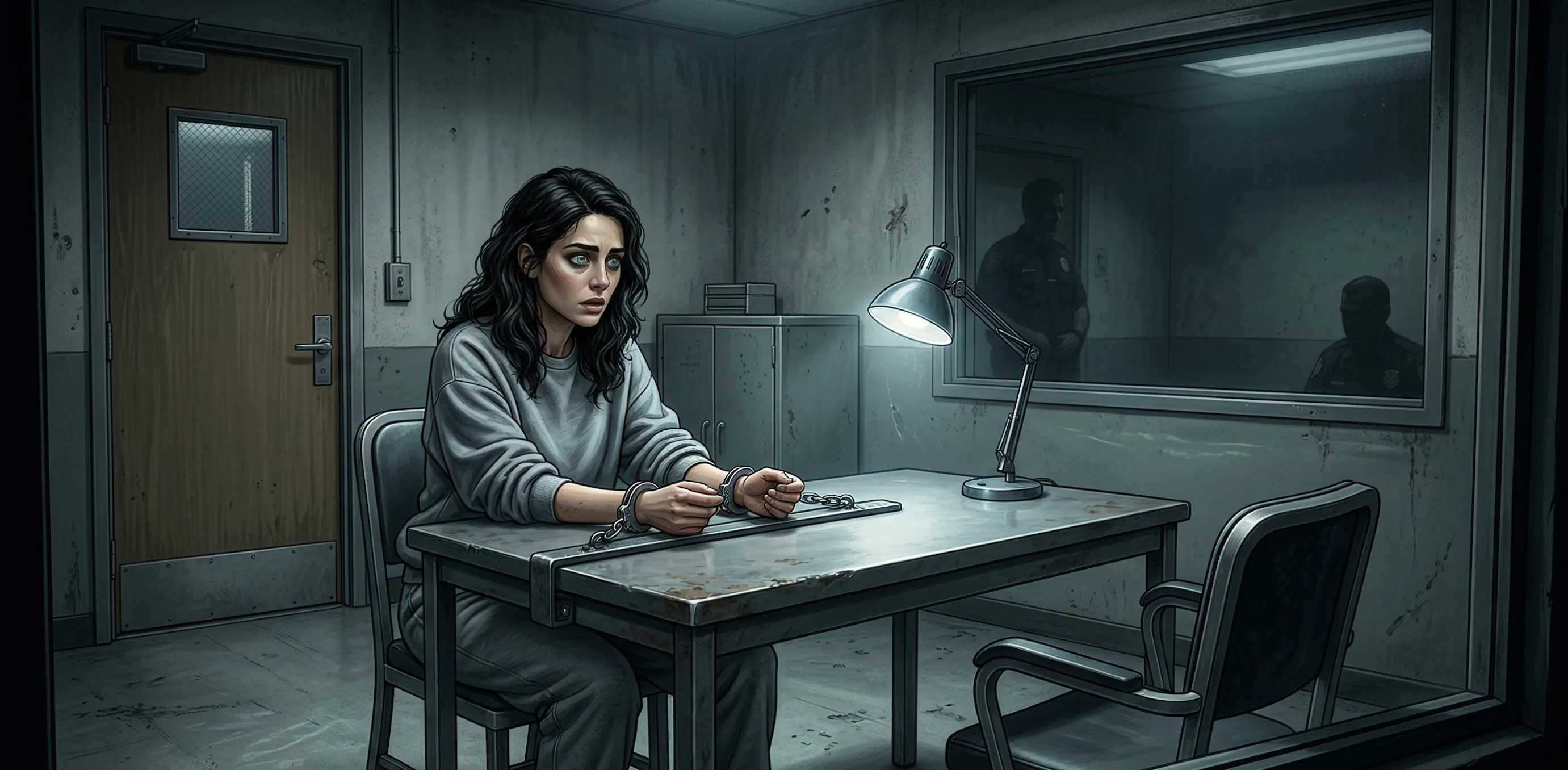
The nightmare truly begins when the police arrive: Samantha has vanished, leaving absolutely no digital footprint—no texts, emails, or social media profiles—and investigators prove she never lived with Ari. Because Erin has a history of severe depression and drug-induced psychosis, the police use her mental health against her. Ignoring her lawyer’s advice to say “no comment,” Erin is committed to a psychiatric hospital for six years instead of a standard prison.
In the present day, a forty-year-old woman named Tilly Ward—who is hard of hearing and bears a striking resemblance to Erin—calls the police, claiming she killed a man named Milo Harrison in self-defense to protect her friend, Samantha Valentine. Detective Dan Riley takes the case, initially feeling fiercely protective of Tilly because his one-year-old son, Jude, is also deaf. However, Dan soon spots chilling inconsistencies, like Tilly painting her nails red shortly after the murder and strangely switching her hearing aid to the opposite ear.
Recently released, Erin begins her own investigation and discovers that Tilly is actually Samantha. In a final, shocking confrontation where Erin shoots her in the leg, Samantha’s true identiy is revealed to be a woman named Julie. Julie is the daughter of Erin’s stepdad, Ray, who originally went to prison for killing Erin’s mother. Julie orchestrated the elaborate frame job out of revenge, blaming Erin and her mother for Ray’s incarceration, which led to Julie’s mother becoming a drunk and Julie ending up in foster care. Ultimately, Julie is saved by paramedics while Erin disappears with a neighbor she met named Malcolm.
💡 Key Takeaways & Insights
- The Weaponization of Mental Health The legal system frequently fails individuals with psychiatric histories, as seen when the police use Erin’s past severe depression and psychosis against her to dismiss her claims, leading to a six-year institutionalization.
- The Illusion of Trust The book operates heavily on the theme of “trust but verify.” Erin’s blind faith in a woman she only knew for sixteen weeks highlights the dangerous vulnerabilities of relationships where a complete lack of digital proof can rewrite reality.
- The Ripple Effects of Intergenerational Trauma The twists in the novel underscore that childhood loss can fester over time. Julie’s trauma of losing her father to prison and her mother to alcoholism morphs into a terrifying, unhinged desire for vengeance years down the line.
- Perception vs. Reality in Law Enforcement The novel masterfully contrasts detectives who pre-judge based on history with those who look for the truth. While past detectives refused to credit Erin’s perspective, Detective Dan Riley leads with curiosity and empathy to discover the truth.
🤯 The Most Interesting or Unexpected Part
One of the most brilliantly unsettling forensic details in the novel is the discovery of Erin’s hair on Milo Harrison’s bloody chest. Instead of being pulled from the root—which would indicate a violent physical struggle at the scene of the crime—the hair consists of short clippings mixed into the blood. While the presence of Erin’s hair at the crime scene initially leads police to believe she has Dissociative Identity Disorder and is both Erin and Samantha, the eerie placement of the clippings suggests the scene was actually meticulously staged to frame her.
🏛️ How This Book Applies to Real Life
- Mental Health and the Justice System: Erin’s involuntary psychiatric hold being used against her mirrors real-world fears that people with mental health issues have about asking for help. The fear that a past diagnosis will be used to discredit your testimony or criminalize your actions is put on full display.
- The Reliability of the Police: The stark contrast between the initial officers who dismiss Erin and Detective Dan Riley forces readers to question law enforcement. It asks a hard, real-world question: are the police truly on your side if you are accused, or does it depend entirely on the officer handling your case?
Who should read She Made Me Do It?
- If you liked the trope of an unhinged psycho seeking revenge for reasons entirely out of your control in The Housewife’s Secret, then you will love the manipulative plot of She Made Me Do It.
- Readers who appreciate psychological thrillers centered around gaslighting, unreliable realities, and long-game revenge.
- Anyone who loves explorations of systemic injustice and mental health stigma in the legal system.
📚 Final Rating
3.3 / 5 stars
This book ended up having nearly the same plot as The Housewife’s Secret, which heavily impacts its rating. The narrative relies on an unhinged, unknown force that hates the protagonist for reasons beyond her control, making the core mystery feel somewhat unearned.
🎯 Should you read it? Maybe. This is ideal background noise for chores or a casual distraction when you expect interruptions; it’s an easy, low-stakes listen that doesn't require much emotional investment and is ultimately quite forgettable.
🔥 Final Thought She Made Me Do It is a chilling reminder that the deadliest ghosts don't haunt houses—they fake friendships.
Discussion Topics
- Mental Health Stigma in the Justice System The police actively use Erin’s past involuntary psychiatric hold (due to severe depression and drug-induced psychosis) against her to dismiss her claims about Samantha’s existence.
Discussion Questions: Is it fair for the police to use a suspect’s mental health history against them, or is this a form of discrimination? How does Erin’s experience mirror the real-life fears of people struggling with mental health issues when it comes to asking for help? Why is it so crucial that Erin should have listened to her lawyer’s advice of “no comment”?
- Trust, Manipulation, and “Trust But Verify” Erin completely trusts Samantha after knowing her for only 16 weeks, describing her as a “soul sister,” and commits murder without ever having seen her home life.
Discussion Questions: Why do you think Erin was so easily manipulated into believing Samantha’s claims of domestic abuse? In today’s highly digital world, how alarming is it that Samantha had absolutely no emails, texts, or social media profiles? How does the book emphasize the life lesson of “trust but verify?”
- Law Enforcement Bias and Empathy Detective Dan Riley counters the idea that the police aren’t on your side, but the reason he initially feels highly protective over Tilly is simply because she wears a hearing aid like his one-year-old son, Jude.
Discussion Questions: Would Dan have treated Tilly with the same initial benefit of the doubt if she didn’t share a physical trait with his son? How does the author use the character of Dan to debate the question: Are the police actually on your side if they bring you in for questioning? Does Dan noticing Tilly’s slip-ups (red nails, switching the hearing aid ear) redeem his earlier biases?
Discussion
Comments are moderated and will appear after review by the site owner.
No comments yet. Be the first to share your thoughts!