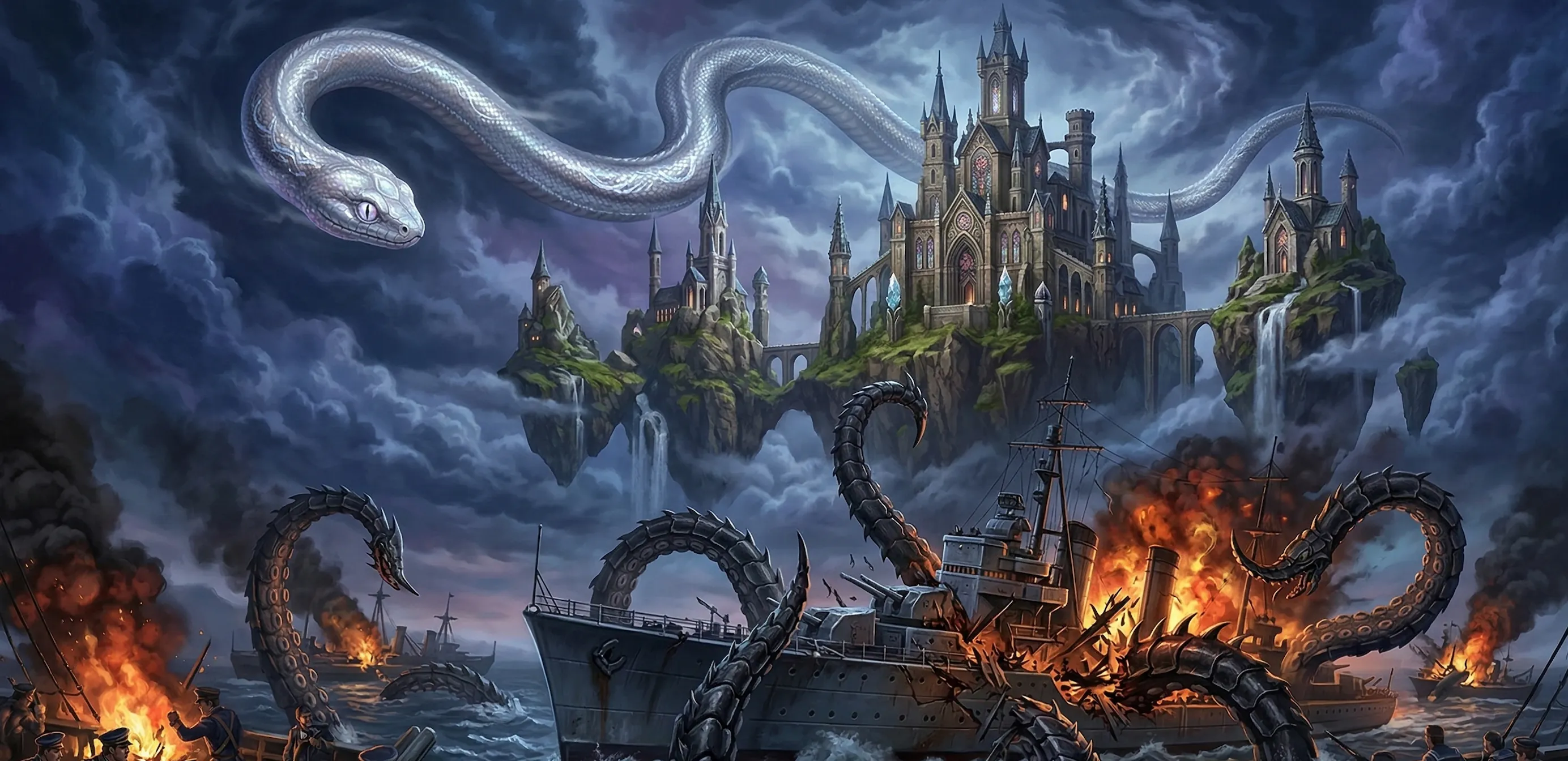
📖 Introduction & Why This Book Matters
Imagine being trapped in a body that isn’t yours, feeling it actively rot away around you, while the wealthy elites in the sky swap physical forms like designer clothing. Queen of Faces is a masterful and aching exploration of identity, bodily autonomy, and survival in a world literally drowning under the weight of its own history. This isn’t just a story about magical schools or battling dark witches; it is a profound look at what makes us who we are—our souls, our choices, and the desperate, beautiful lengths we will go to in order to feel comfortable in our own skin.
✍️ Plot Summary
Seventeen-year-old Annabelle “Anna” Gage is running out of time. In the drowning city of Elmidde, within the nation of Caimor, human souls—known as “pyths”—can be transferred into manufactured bodies called “chassis.” But Anna is trapped in a defective, decaying male chassis, and if she doesn’t find the exorbitant funds for a new body within a year, she will die. Her only hope is passing the impossible entrance exam to Paragon Academy, a prestigious magical school floating on islands in the sky.
After her third rejection, a desperate Anna attempts to steal a priceless, immortal star-woven chassis, maiming two elite Paragon students in the process. Caught and near death, she is given a terrifying ultimatum by Paragon’s Headmaster Carriwitch: assume the disguise of a male servant named “David” at the academy, and secretly work as an illegal mercenary or remain in her stolen star-woven chassis and die. Her target, should she accept Carriwitch’s terms, is none other than The Black Wraith, a legendary mass-murdering dark witch leading a rebellion in the slums. Thrust into a lethal crew of rogue mages—including an exiled noble forced into a boy’s body—Anna must survive grueling classes, sadistic heroes, and deadly missions. But as the oceans rise and a revolution brews, Anna will discover that the line between heroes and monsters is terrifyingly thin.
💡 Key Takeaways & Insights
- Identity goes deeper than the physical flesh.
- Because characters can transfer their “pyth” (soul) into different bodies, the novel brilliantly deconstructs traditional views on gender and sexuality. Anna identifies as a girl but is trapped in a boy’s body; her rival-turned-ally Wes was born female but finds absolute comfort and rightness after being forced into a male chassis; and the mercenary Nima splits their soul across two bodies of different genders simultaneously. The story proves that we fall in love with souls, not just physical forms, making rigid labels obsolete.
- Systemic inequality breeds monstrous revolutions.
- The world of Caimor is structurally broken. Elite mages at Paragon hoard magical education, fresh bodies, and resources in the sky, leaving Humdrums (non-magical people) and rejected mages to literally drown in the flooded slums below. The terrorist group Commonplace, led by the Black Wraith, uses horrific methods, but their rage is fueled by a profoundly unjust society where a person’s survival depends entirely on their wealth.
- Magic is the art of changing yourself.
- In the novel, expanding one’s magical potential (growing a “Codex”) isn’t about brute force or simple study; it is deeply tied to psychological growth and self-awareness. As Anna’s friend Kaplen wisely explains, fighting against manipulation requires a person to constantly strive to be an “Exemplar” (one’s best self) by making the daily, active choice to “write the next page” of their own mind.
🤯 The Most Interesting or Unexpected Part
The most thrilling dynamic in the story is the enemies-to-allies relationship between Anna and Wes, culminating in a jaw-dropping climax of absolute trust. Wes spends much of the book resenting Anna for ruining his life and even attempts to murder her. Yet, in an unexpected twist, when their secret identities are doxed to the magical elite, Wes chooses to warn Anna and her friends instead of abandoning them. When cornered by the police and the terrifyingly powerful prodigy Adam Weaver, Anna and Wes perform a highly intimate “body swap” mid-crisis. This maneuver brilliantly tricks their enemies, allowing Anna to stab Adam and facilitating their escape, proving that their bond of trust ultimately eclipsed their bitter rivalry.
🏛️ How This Book Applies to Real Life
Queen of Faces is deeply resonant with contemporary real-world struggles. The desperate need for a “chassis” mirrors the modern healthcare crisis and the barriers transgender individuals face when seeking gender-affirming care. Furthermore, the ever-rising oceans and flooding cities serve as a stark, unavoidable allegory for climate change, illustrating how environmental collapse disproportionately devastates the poor while the wealthy literally elevate themselves above the consequences.
Who should read Queen of Faces?
- Fans of dark, politically complex fantasy and magical academies.
- Readers looking for nuanced explorations of queer romance, gender identity, and body dysphoria.
- Anyone who loves gripping underdog stories featuring morally grey characters and found families.
📚 Final Rating
4.9 out of 5 stars
This is a fantastic, entertaining, and deeply ambitious debut novel. It seamlessly blends a fast-paced mercenary plot with profound philosophical questions about physical health, sexual identity, and environmental collapse.
🎯 Should you read it? Yes. However, readers should be prepared for a heavy, dark journey. While the character dynamics and magical heists are incredibly fun, the narrative does not shy away from the brutal, often bloody realities of a society built on extreme inequality.
🔥 Final Thought Queen of Faces is a fierce, electrifying reminder that no matter what cage society or circumstance traps you in, your soul is a weapon—and it is always worth fighting for.
Discussion Topics
- The Separation of Soul and Body In Caimor, a soul (pyth) can be transferred into different manufactured bodies (chassis). This deeply impacts how characters view their own identities, such as Anna suffering in an “Edgar” chassis, Wes finding euphoria in a male body, and Nima occupying two bodies at once.
Discussion Questions: How does the concept of the “chassis” alter the way characters experience and process gender dysphoria or euphoria throughout the story? According to the book’s logic, if you fall in love with a “pyth” rather than a “chassis,” does the ability to change bodies fundamentally alter the nature of romantic love? If you lived in Caimor and could transfer your consciousness into any chassis, how do you think it would change the way you interact with society?
- The Ethics of Magic and Systemic Inequality Paragon Academy hoards magic and immortal bodies in the sky, while Humdrums and rejected mages suffer in the flooded, impoverished slums. This inequality fuels the violent revolution of Commonplace.
Discussion Questions: Is Commonplace’s violent revolution in any way justified given the extreme hoarding of life-saving resources by the Paragon elite? How does Adam Weaver’s public persona as a humble “savior” contrast with his private cruelty, and what does this say about the academy’s values? What real-world parallels can be drawn from the “rising waters” and the Caimorian elite’s refusal to share their knowledge and safe havens?
- Kaplen’s Philosophy on Growth Kaplen teaches Ana that defending against magical mind control isn’t about brute force, but rather recognizing that your mind is a book with blank pages. He urges her to constantly strive to become an “Exemplar” by choosing to “write the next page.”
Discussion Questions: How does Kaplen’s devastating struggle with his own mental health contrast with the profound, life-saving wisdom he imparts to Ana? What does it mean to “write the next page” in the context of overcoming trauma or systemic oppression? How do both Ana and Wes embody this philosophy by the end of the novel, moving past their initial hatred for one another?
Discussion
Comments are moderated and will appear after review by the site owner.
No comments yet. Be the first to share your thoughts!