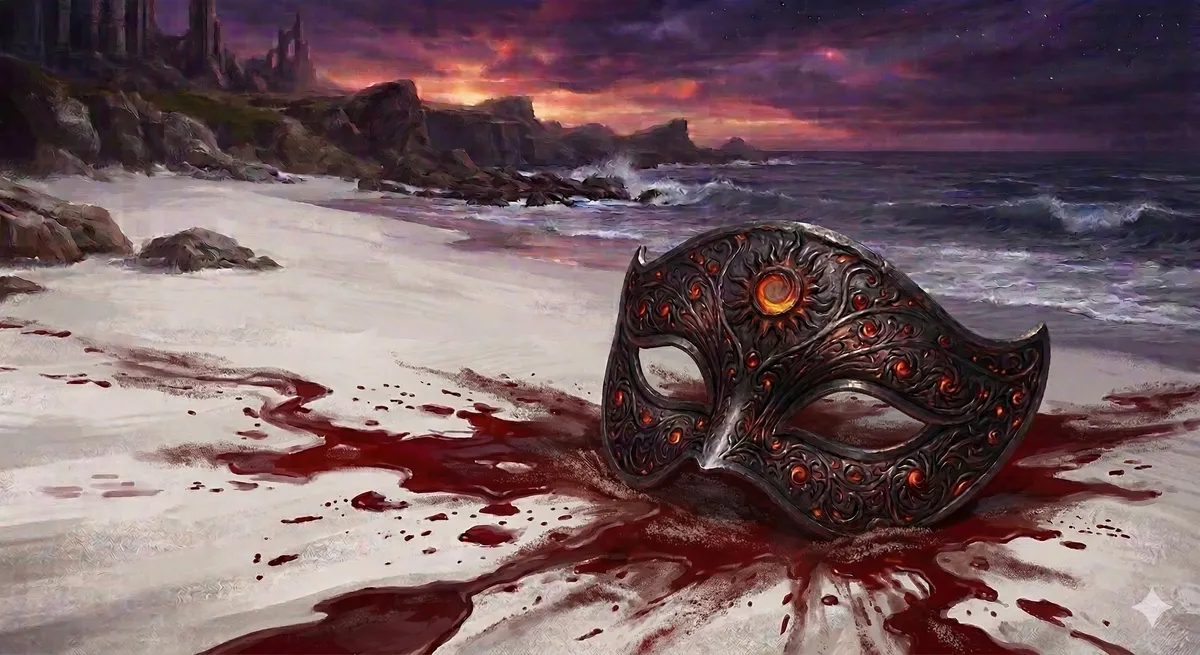
📖 Introduction & Why This Book Matters
Empire of Storms is a sprawling meditation on the cost of power and the terrifying weight of legacy. While the surface promises high-stakes battles and romance, the core of the novel thrums with a darker, more desperate energy. It captures the specific, suffocating feeling of a world on the brink of annihilation, where ancient gods bargain with mortal lives and hope is a jagged, dangerous thing. This book matters because it strips away the glamour of being a “chosen one.” It argues that saving the world isn’t about glory—it’s about how much of your soul you are willing to carve away to ensure a future you might never see. It forces readers to confront the reality that sometimes, the only path forward is paved with necessary lies and the sacrifice of one’s own humanity.
✍️ Plot Summary
Having survived the shadows of Rifthold, Aelin returns to Terrasen only to be met with rejection by her own lords, who deny her right to rule. With Erawan’s dark forces gathering in Morath and the immortal Queen Maeve sending her armada to Eyllwe, Aelin must forge unlikely alliances to save Erilea from total destruction.
Aelin, Rowan Whitethorn, Aedion Ashryver, and the shape-shifter Lysandra embark on a desperate quest across the continent. From the pirate haven of Skull’s Bay to the dead ruins of the Stone Marshes, they hunt for a way to banish the Valg kings forever. Meanwhile, in the skies and forests, Manon Blackbeak faces a brutal reckoning with her grandmother and her heritage, forcing her to choose between the iron discipline of her clan and the stirring of her own heart.
As armies converge and ancient debts are called in, Aelin must gamble everything—her magic, her love, and her very life—on a plan so audacious it could either save the world or doom it to eternal darkness. The time for hiding is over; the time for war has come.
💡 Key Takeaways & Insights
- Inheritance is a Burden, Not a Gift Aelin, Dorian, and Manon are all heirs to immense power and titles, yet the book frames these inheritances as cages rather than keys. Manon discovers she is the last Crochan Queen, a heritage that demands she turn against the only family she has known. Aelin is the “Queen Who Was Promised,” a title that marks her not for rule, but for sacrifice to seal the Wyrdgate. The narrative suggests that true leadership requires serving a destiny that may ultimately consume you.
- The Necessity of Monstrosity The characters frequently rely on their darker natures to survive. Aelin terrifies her own allies by burning an enemy commander from the inside out to send a message. Lysandra shifts into a sea dragon to decimate a fleet, embracing a feral, beastly instinct to protect her court. The book posits that in the face of absolute evil like Erawan, one must be willing to become a monster to protect the innocent.
- Loyalty Transcends Blood and Oaths While blood oaths bind the Fae to Maeve, true loyalty is shown to be a choice. Fenrys and Gavriel fight their biological imperative to obey Maeve in order to help Rowan and Aelin, proving that friendship is a stronger tether than magic. Conversely, the Thirteen’s loyalty to Manon overrides the Matron’s commands, illustrating that shared trauma and love create bonds stronger than clan hierarchy.
- Love as a Vulnerability and Strength Maeve explicitly uses Rowan as a pawn to control Aelin, proving that love is a strategic weakness. However, it is also the catalyst for their greatest feats. Rowan’s love for Aelin drives him to secure an army from his own family, and Aelin’s love for Terrasen drives her to walk willingly into Maeve’s clutches to save Elide and her court. Love is portrayed as the only force potent enough to counter the hollow darkness of the Valg.
🤯 The Most Interesting or Unexpected Part
The most shocking twist is the revelation of Elena’s ancient mistake and Aelin’s true destiny. For the entire series, Aelin has believed she is fighting to live and rule. However, in the Stone Marshes, it is revealed that Elena Galathynius bargained with the gods to save her own time, promising that a future “scion” of Mala—Aelin—would pay the price she refused to pay. Aelin isn’t just fighting a war; she is a “lamb to slaughter,” bred and protected solely to die forging a new Lock to banish the gods and demons. The realization that her entire survival at Endovier and her training as an assassin were orchestrated by Elena just to ensure she lived long enough to be sacrificed adds a horrific, tragic layer to her journey.
🏛️ How This Book Applies to Real Life
Empire of Storms explores the theme of intergenerational trauma and responsibility. Just as Aelin and Manon must clean up the messes left by their ancestors (Elena and the Matrons), real-world generations often inherit political, environmental, or social crises created by those who came before. It highlights the difficulty of breaking cycles of violence and the courage required to face problems that should not have been yours to solve.
Who should read Empire of Storms?
- Fans of high fantasy who enjoy complex political maneuvering, large-scale warfare, and epic romantasy (perfect for readers who loved the spy-romance of The Bridge Kingdom, the hidden destinies in Spark of the Everflame, or the lyrical magic of When the Moon Hatched).
- Readers who appreciate morally gray protagonists who make ruthless decisions.
- Those interested in character studies regarding trauma, recovery, and identity.
📚 Final Rating
4.8 / 5 Stars
This installment is a masterclass in resolving thousands of pages of hints and foreshadowing, making it incredibly satisfying to watch every past good deed Aelin has done finally come together to build her army against Maeve and Erawan. Maas proves she never writes a detail that doesn't matter, perfectly weaving together disparate threads like the fierce loyalty of Aelin's cadre, Lorcan's unexpected involvement through Elide, Manon's budding witch army, and the devastating revelation of why Elena and Nehemia chose Aelin over Dorian to pay the ultimate price.
🎯 Should you read it? Yes. If you appreciate an author who brilliantly plays the long game, this book's masterful convergence of plots makes every ounce of previous world-building worth it—though you must be prepared for the heavy emotional toll of Aelin discovering her true, tragic fate in the Eyllwe marshes.
🔥 Final Thought A breathtaking collision of gods, monsters, and broken oaths, Empire of Storms will lock your heart in an iron box and leave you counting the seconds until Aelin of the Wildfire returns.
Discussion Topics
- The Burden of Legacy and Intergenerational Trauma A major theme in the novel is characters being forced to clean up the catastrophic mistakes of their ancestors. In the Stone Marshes, Aelin learns the devastating truth that her ancestor Elena misused the original Lock to seal Erawan away instead of permanently banishing him. Because of this choice, the gods demand that Aelin—Mala's descendant—pay the ultimate price by yielding her life force to forge a new Lock. Similarly, Manon Blackbeak discovers that her grandmother murdered her Crochan father and Blackbeak mother, intentionally raising Manon not as a child of peace, but as a weapon of war.
Discussion Questions: How do Aelin and Manon each handle the realization that their entire lives have been shaped by the sins of their foremothers? Does Aelin’s destiny as a "lamb to slaughter" change how you view her earlier arrogant or secretive behavior? How much control do these characters actually have over their own fates?
- True Loyalty vs. Bound Oaths The book draws a sharp contrast between forced obedience and loyalty born of free will and love. Queen Maeve uses blood oaths to physically compel obedience from her cadre, chaining warriors like Fenrys to her side by threatening his twin brother. In contrast, true loyalty in the book requires immense personal sacrifice. We see this at its peak when Manon is ordered to execute her Second, Asterin, to pay a blood debt. Instead of following her Matron's command, Manon claims the execution for herself, orders the Thirteen to run, and swings her sword at her own grandmother.
Discussion Questions: What does the book argue about the nature of free will, especially when comparing Maeve’s blood-sworn warriors to Aelin’s court? Do you sympathize with Lorcan’s betrayal, given that he was bound by his oath and love for Maeve? How does the shared trauma among the Thirteen forge a bond stronger than their Clan's brutal laws?
- Crossing the Line: The Morality of War and Brutality To combat the horrors of Erawan's forces, the heroes are frequently pushed to adopt the ruthless tactics of their enemies. Aelin shocks even her battle-hardened cousin, Aedion, when she executes an Adarlanian commander by incinerating him alive from the inside out just to force his soldiers to retreat. Lysandra similarly yields to feral, monstrous violence to protect their fleet, transforming into a sea dragon to crack the spines and rip the throats out of enemy wyverns. Meanwhile, Dorian Havilliard wrestles with the lingering darkness of his Valg possession; he confesses to Manon Blackbeak that he genuinely liked killing one of Erawan's creatures, though he attempts to reassure himself that he still draws a moral "line" by granting a quick death rather than torturing his victims.
Discussion Questions: How does the trauma of their pasts (such as Aelin's enslavement or Dorian's possession) influence their willingness to use brutal tactics? Does the narrative suggest that fighting absolute evil justifies becoming a monster, or do the heroes risk losing their humanity in the process? Looking at Dorian's assertion that "even with our enemies, there’s a line," where do you think the book actually draws that moral line?
Discussion
Comments are moderated and will appear after review by the site owner.
No comments yet. Be the first to share your thoughts!